AMD research progresses
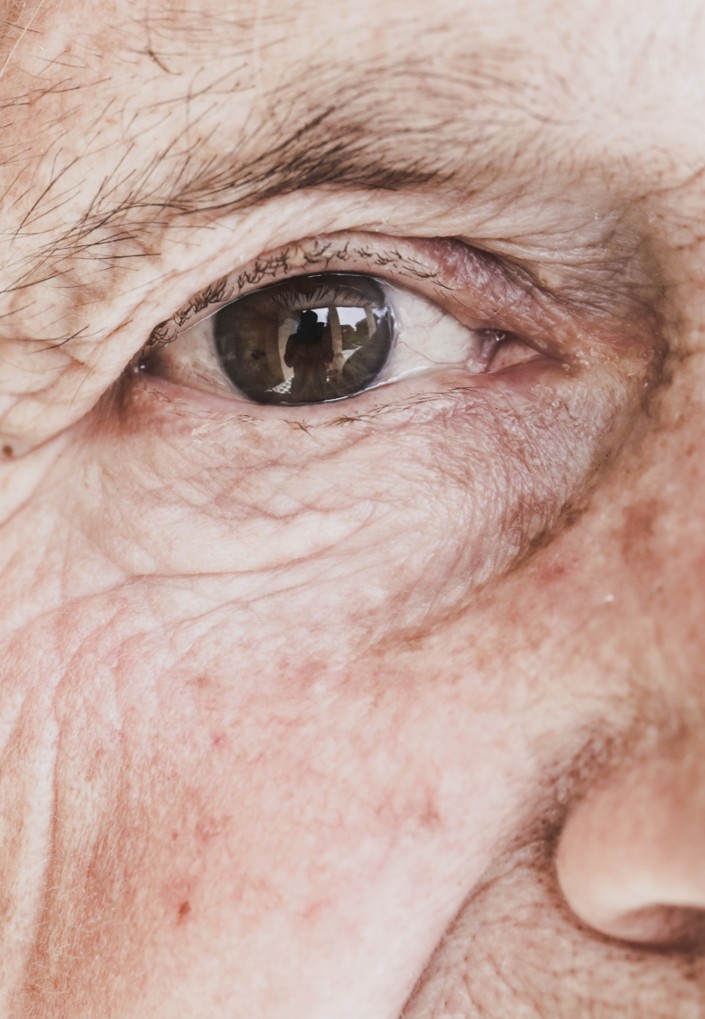
Ultra-high purity Fucus vesiculosus fucoidan produced by Marinova featured in a 2026 study exploring the potential effects on lipid metabolism and the related mechanisms of age-related macular degeneration (AMD). The fucoidan was shown to offer beneficial effects in different retinal pigment models.
A second study has recently been published in this field, utilising the same ultra-high purity fucoidan extract. AMD-related pathomechanisms were investigated using primary porcine retinal pigment epithelium (RPE) cells in vitro and zebrafish models in vivo.
Among the key findings, the fucoidan significantly reduced the secretion of pro-angiogenic vascular endothelial growth factor A (VEGF-A), as well as the pro-inflammatory cytokines interleukin 8 (IL-8) and interleukin 6 (IL-6). Anti-inflammatory effects were also shown, including the suppression of pro-inflammatory genes and significant downregulation of interleukin 1 beta (IL-1β).
The researchers concluded that the findings indicate modulation of oxidative stress, inflammatory responses and VEGF secretion of the fucoidan. They reported that the ‘fucoidan possesses AMD-relevant bioactivities both in vitro and in vivo, suggesting fucoidan warrants further investigation in AMD-related research and related pathological mechanisms.'
The study, ‘Marine-derived fucoidan modulates pathways associated with age-related macular degeneration in cellular and zebrafish models’, was published Marine Drugs.