Exploring cancer nanomedicine
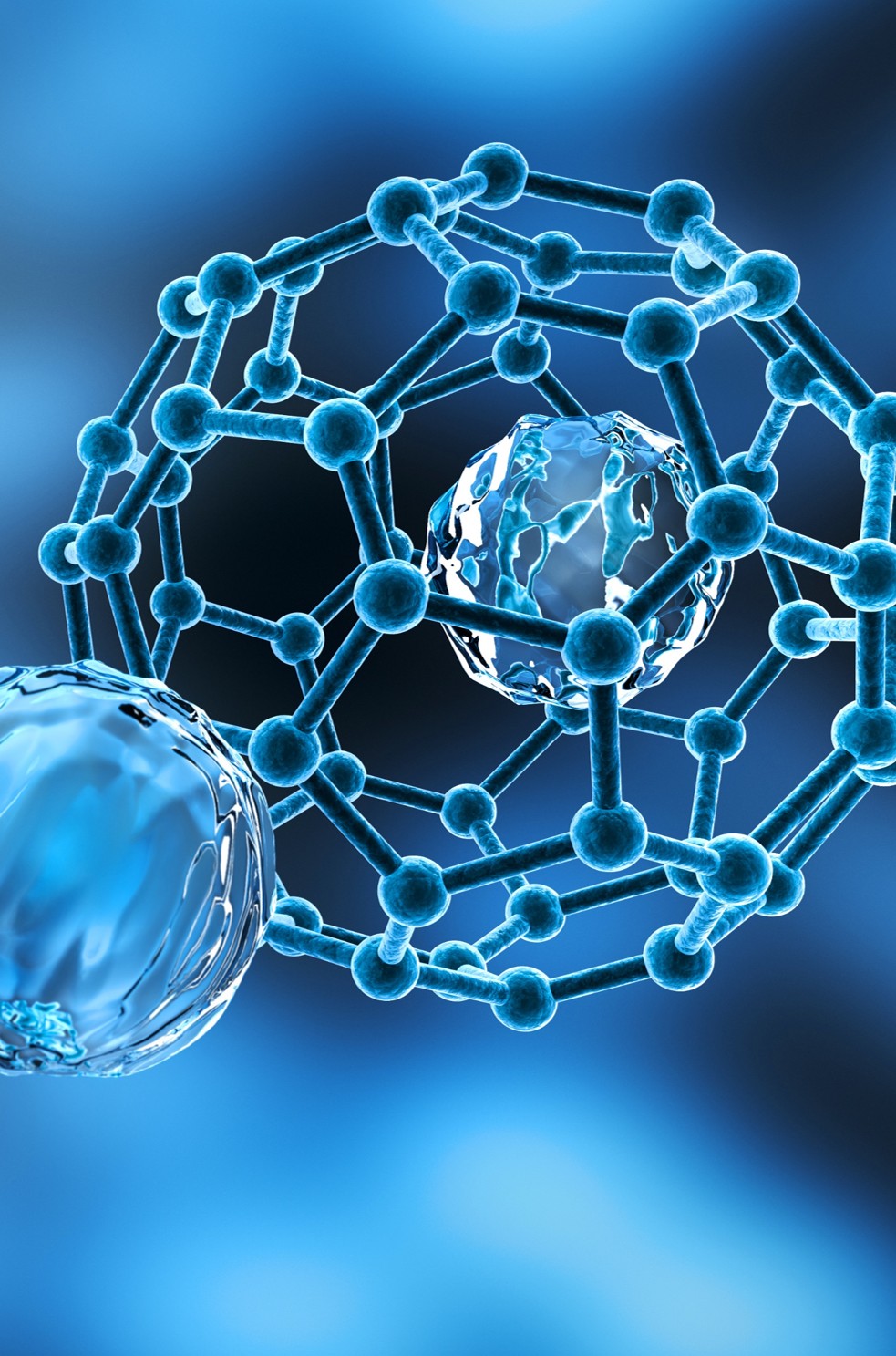
Nanoparticles with anti-angiogenic properties (those that prevent tumours from growing blood vessels) are increasingly being explored for their potential use in oncology treatments. Such nanoparticles can offer dual benefits – both suppressing metastasis and serving as drug delivery systems by transporting therapeutics directly to tumour sites.
Fucoidans have previously been identified as natural compounds with potential anti-angiogenic properties. It has further been suggested that the anti-angiogenic properties of fucoidans may vary according to factors such as source seaweed species, biochemical structure, and molecular weight.
A recent in vitro study screened fucoidans from the seaweeds Undaria pinnatifida and Fucus vesiculosus for anti-angiogenic activity. From both species, fucoidan was extracted in its native form using an aqueous extraction process (higher molecular weight) and then by utilising an additional fractionation process (lower molecular weight).
The screening found that the fucoidans with higher molecular weights exhibited greater anti-angiogenic properties than those with lower molecular weights.
The study then utilised the best fucoidan candidates, the higher molecular weight compounds, to prepare nanoparticles. Fucoidans from both species were incorporated into nanoparticles, successfully maintaining their anti-angiogenic activity. The researchers reported that the fucoidan from Fucus vesiculosus had a superior anti-angiogenic activity compared to the fucoidan from Undaria pinnatifida. In addition, the fucoidan-containing nanoparticles from both species presented further beneficial properties, including near spherical shape and cytocompatibility.
All fucoidans utilised in the study were produced by Marinova in Australia.
The full paper, ‘Fucoidan/bis-MPA-based dendrimer nanoparticles with intrinsic anti-angiogenic activity for oncology applications’ was published in the journal RSC Pharmaceutics.