Food safety: Inhibiting Listeria
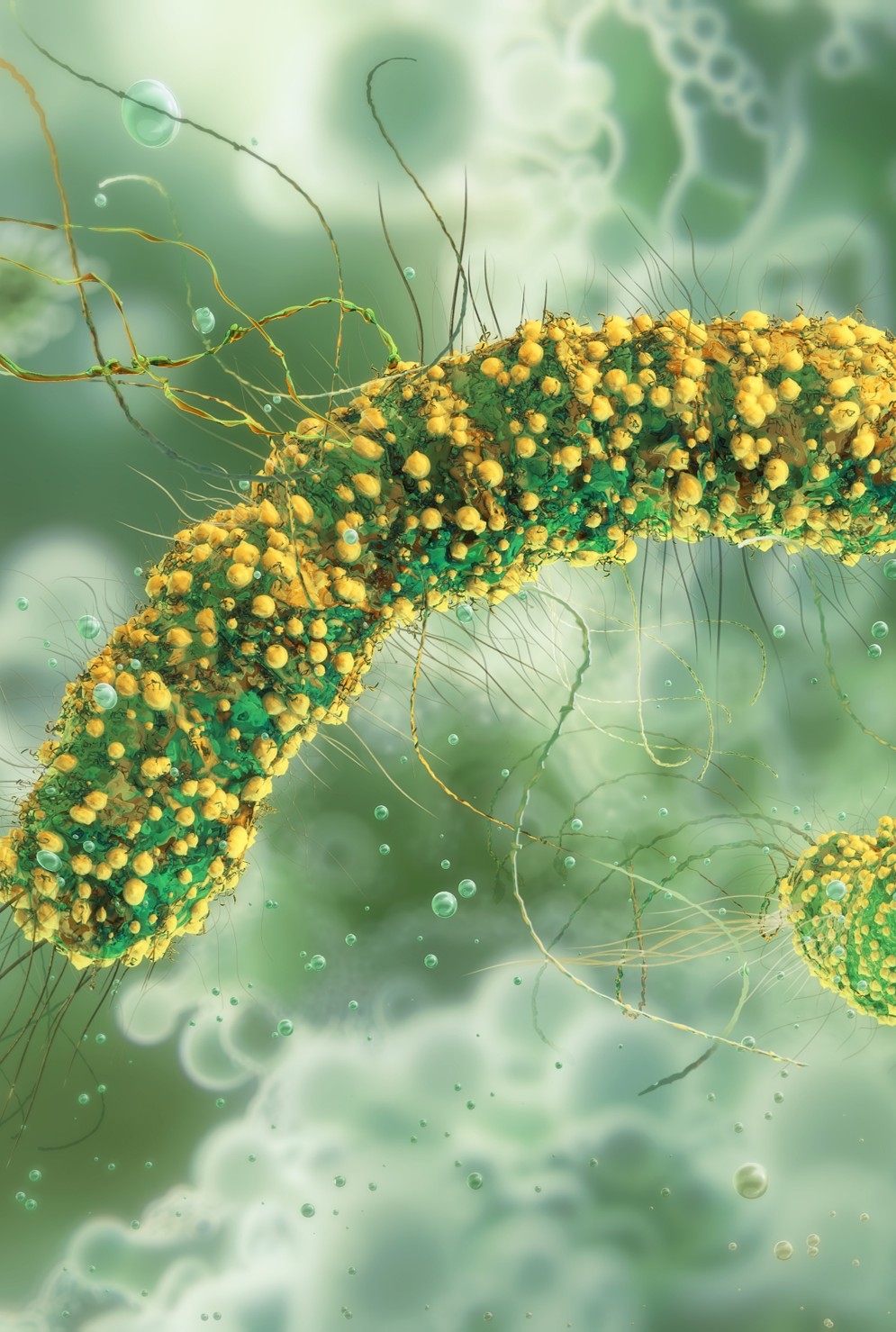
The potential of fucoidans to prevent infection of the bacteria Listeria monocytogenes has been explored in a recent study. L. monocytogenes is well known for causing severe foodborne illness, particularly in newborns, the elderly and in pregnant women. Symptoms of infection can include fever, headache, muscle aches, nausea and cramping. Severe cases can include blood poisoning, brain and spinal cord inflammation, miscarriage and even death.
Infection typically occurs via the gastrointestinal mucosa, where L. monocytogenes invades host cells. Recent research explored the potential of two different fucoidans to prevent L. monocytogenes from adhering to and invading host cells. Macrocystis pyrifera and Undaria pinnatifida fucoidan, both produced by Marinova, were investigated in the study.
Fucoidan from M. pyrifera significantly inhibited adhesion of L. monocytogenes to intestinal epithelial cells in a concentration-dependent manner, while fucoidan from U. pinnatifida showed a modest but non-significant reduction in adhesion. In contrast, both fucoidans significantly reduced bacterial invasion.
Researchers proposed it is the structural differences in the fucoidans that result in different degrees of anti-infectivity, and that fucoidans act through preventing the adhesion and subsequent invasion of L. monocytogenes. They suggested that the fucoidans exert a protective effect during infection and therefore they may be promising candidates against L. monocytogenes. The study also noted the well-documented safety, prebiotic and immunomodulatory activity of fucoidans, making them excellent candidates as a functional food ingredients.
The paper, ‘Selective antimicrobial potential of fucoidans against the pathogen Listeria monocytogenes’, was published in Frontiers in Microbiology.