Nanoparticles for colorectal cancer
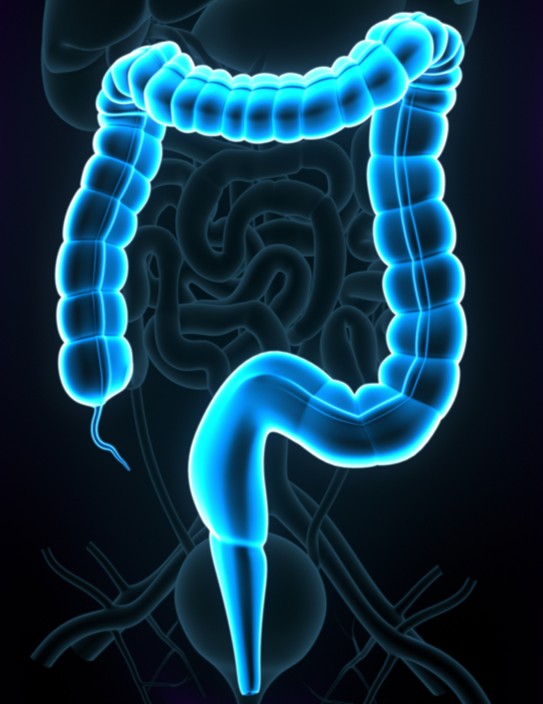
Colorectal cancer accounts for approximately 10% of all cancers diagnosed worldwide. It predominantly affects individuals aged over 50 and is often linked to lifestyle factors such as the increased intake of processed meats, sedentary behaviours, smoking and excessive alcohol consumption. Common symptoms include constipation, diarrhoea, abdominal pain, weight loss and fatigue. Treatment options typically include surgery to remove tumours combined with chemotherapy and/or radiation, however these conventional therapies are often associated with serious adverse side effects.
The naturally occurring compound thymoquinone, derived from the flowering plant Nigella sativa (black seed), is increasingly being studied for its anticancer properties and potential to assist in future colorectal cancer treatments. However, a current limitation of thymoquinone is its poor solubility and low bioavailability.
A recently published study successfully developed fucoidan-coated nanoparticles to enhance the therapeutic efficacy of thymoquinone. The fucoidan-thymoquinone nanoparticles exhibited excellent physicochemical properties, high encapsulation efficiency and enabled tumour targeting. The fucoidan coating stabilised the nanoparticles, reduced premature drug leakage, and contributed to anticancer activity in a colorectal cancer cell line, compared to both uncoated nanoparticles and thymoquinone alone. The superior performance of the fucoidan-thymoquinone nanoparticles was reported in both in vitro and in an in vivo mouse model.
The high purity Fucus vesiculosus fucoidan utilised in the study was produced by Marinova.
The full paper, ‘Polysaccharide-Coated mPEG-PLA Nanoparticles Enhance Thymoquinone Delivery and Therapeutic Efficacy against Colorectal Cancer’, was published in the Journal of Drug Targeting.